


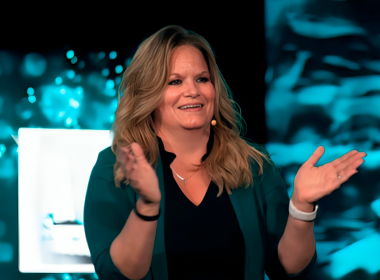

A Leadership in Energy and Environmental Design (LEED) Gold certification has become the expected benchmark for high-performing stadiums, widely adopted across modern sports infrastructure as a signal that a venue meets strong sustainability and efficiency standards, though it still falls short of the highest level of environmental performance. Platinum, however, represents something different. It signals a project that has moved beyond compliance to create lasting environmental, financial and social value. According to Alicia Silva Villanueva, author of the upcoming book Leap the Gap, and Founder and Director of Revitaliza Consultores, the distinction comes down to adopting a different mindset. “Platinum is exactly the bridge between good to great.”
As governments, developers and investors prepare for the next generation of sports infrastructure, Alicia says that the conversation must move beyond green certification as a box-ticking exercise. Instead, stadium decarbonization should be viewed as an opportunity to improve operations, strengthen asset resilience and build long-term business value.
Platinum Starts With a Different Narrative
Many project teams still approach sustainability as an additional expense, creating resistance before meaningful conversations even begin. “It’s not that it’s more expensive. It’s that you are really caring,” she says. “We are also going to add more value and we’re also going to add more things that you’re going to gain from better operations, better user experience.”
This shift transforms the conversation from cost management to sustainability return on investment (ROI). Every sustainability measure should be evaluated not only for its environmental contribution, but also for its impact on operational resilience, visitor satisfaction and financial performance. When consultants clearly demonstrate the value behind each strategy, stakeholders begin to see green certification as capital optimization rather than additional expenditure.
For Alicia, that final push toward LEED Platinum is rarely about a single technology. It comes from leadership choosing to pursue excellence and asking what additional value can be created for people, communities and the long-term legacy of the venue.
Stadiums Are Becoming Year-Round Destinations
Modern stadiums increasingly function as mixed-use destinations that host concerts, conferences, weddings, hospitality events and community activities throughout the year. “They’re becoming something else,” Alicia says. “It’s very important to think about the stadiums differently, not as an empty infrastructure but something that can be used throughout the week and throughout the year.”
This evolution fundamentally changes the business case for sustainable design. Profitable sustainability strategies for stadiums now extend beyond reducing energy or water consumption. They also support higher occupancy, stronger operational efficiency and improved visitor experiences across a broader range of activities.
Designers are increasingly creating stadium districts rather than standalone venues, integrating public spaces, restaurants and entertainment that strengthen surrounding communities. This broader approach contributes to portfolio efficiency, while reinforcing the long-term commercial value of the asset.
Every Sustainability Decision Should Add Business Value
One of the biggest misconceptions surrounding environmental, social, and governance (ESG) economics is that sustainability initiatives only deliver environmental benefits. Alicia believes every recommendation should also improve business performance. Throughout certification projects, her team evaluates each proposed strategy by asking a simple question: “What value does it create?”
Those benefits often include reduced operating costs, improved financing opportunities, stronger user experiences and greater operational resilience. Once stakeholders begin evaluating projects through that lens, the decision to pursue additional LEED points becomes much easier.
Waste management offers one example. While discussions around green building often focus on energy or water, major sporting events generate enormous volumes of waste that directly affect operations. “Nobody thinks about it,” she says. “With this World Cup we realized how much waste are we generating every match.” Addressing these overlooked operational challenges supports compliance acceleration while improving day-to-day management. Collectively, these improvements contribute to ROI-driven green building certification and demonstrate how to monetize green building investments through more efficient operations.
Renovation Creates an Opportunity to Build Legacy
With much of the infrastructure supporting the 2026 FIFA World Cup relying on renovated stadiums, Alicia sees retrofits as one of the strongest opportunities for decarbonizing stadium operations at scale. Rather than replacing existing assets, upgrading older facilities preserves embodied carbon while introducing modern building systems that dramatically improve performance. “If you have not renovated your stadium for a long time,” she says, “this is the great opportunity to go all the way.”
A successful renovation is not simply about preparing for a single tournament. It creates a net zero stadium transformation roadmap that extends the useful life of the facility for decades, while improving climate resilience and long-term financial returns.
LEED v5 Raises the Standard for Future Stadiums
As the industry prepares for the next generation of stadium developments, Alicia believes LEED v5 better reflects today’s climate priorities than previous certification frameworks. By placing carbon reduction, climate resilience and ESG compliance for real estate portfolios at the centre of certification, the framework encourages developers to think beyond minimum requirements toward comprehensive stadium decarbonization. “If you’re planning for the future,” Alicia says, “when the future comes, you’re already there.”
Ultimately, she believes stadiums should be viewed as legacy projects rather than pieces of infrastructure. They are places where communities gather, history is created and shared experiences unfold. Stadiums leading climate resilience adoption demonstrate that sustainability and commercial success are no longer competing priorities. Together, they create buildings that serve people, strengthen business performance and leave lasting value for generations to come.
Follow Alicia Silva Villanueva on LinkedIn or visit her website. for more insights on how sustainability can open the door to better business and improve decision -making.