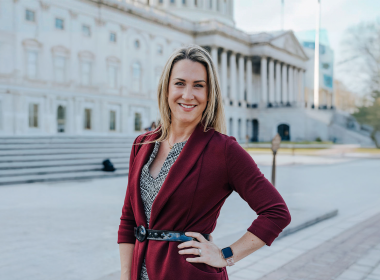


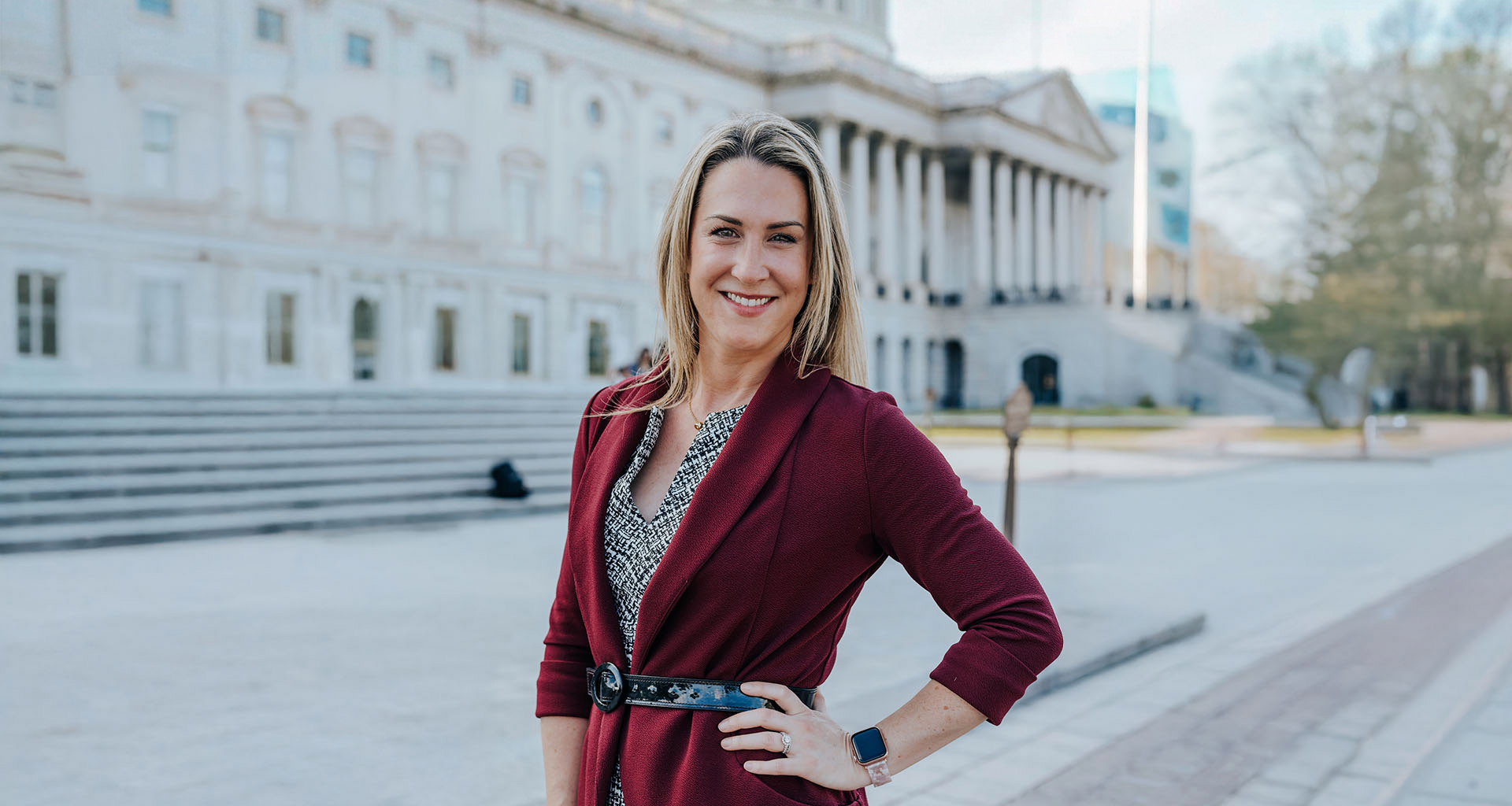
Energy policy has stopped being a specialist concern and become a boardroom one. Data center demand is reshaping load forecasts, affordability has replaced carbon as the organizing question in Washington, and the decarbonization framework that governed a decade of advocacy no longer opens doors on Capitol Hill. Most organizations have not adjusted. They still show up late, still lead with the argument that worked three years ago, and still treat a legislative fight as the moment to introduce themselves. Elizabeth K. Whitney, who advises consumer-owned utilities and energy clients on federal engagement, argues that the failure is rarely about substance. It is about timing, translation, and a misread of what the person across the table is trying to solve.
Show Up Before You Need Something
The single most expensive mistake in federal advocacy is waiting. Whitney’s first rule is consistency, and she is blunt that consistency does not require a permanent Washington presence. “You don’t need to have a permanent Washington, DC office in order to be consistent,” she says. “You can show up as little as once a year in person as long as you’re maintaining those relationships in the district or state where you live, continuing to be in touch with your policymakers and the staff – so that you have a relationship that’s based on mutual sharing of information before you have something that you need or something that you need to ask for.”
The excuse Whitney hears most often is that nothing moves in an election year, which she treats as a category error. Bills become laws every single year, and somebody’s priorities get enacted every single year, she says. The absence of a headline energy package is not evidence that the field is closed but that the education window is open. Organizations that wait until a major bill is in motion arrive with two jobs instead of one: they have to teach a policymaker their business while simultaneously asking that policymaker to act on it, at precisely the moment when attention is scarcest. “You can’t wait to engage until you’ve heard about some major piece of legislation that’s moving through and then think that that’s the best time to introduce yourself to the policymakers for the first time,” Whitney says. Relationships built out of whole cloth during a floor fight are essentially cold calls with higher stakes.
Read The Room, Not The Mission Statement
The sharpest shift Whitney identifies is in what Washington now wants to hear. Carbon and climate concerns have largely fallen out of the administration’s priorities and, to a meaningful extent, out of federal discourse and federal dollars. In some offices that reflects hostility. In others it is simply a change in what the office believes is achievable. Many organizations have been slow to register the difference, and slower still to accept what it demands of them. Whitney is direct about the implications: “If that’s not important to the policymaker that you’re talking to, there’s no amount of cajoling or messaging that you can do to get it to be of value. So, what can you work on together?”
This is not a call to abandon a mission. Whitney’s point is that the underlying solutions frequently survive the reframing intact. “A lot of times the solutions are the same. It’s just a question of how you’re framing it.” Affordability is the live question, and a great deal of what advocates were pitching as climate work can be argued honestly on affordability terms. She describes much of her own role in a congressional meeting as translation, moving between the language her client uses and the language the policymaker uses, in both directions. The same translation problem shows up in scale. Three hundred million dollars is a great deal of money in most contexts and may register as insignificant at the federal level. Advocates who misjudge that context misjudge their own leverage, and the same applies to process. Introduced legislation is not automatically a threat. The bar for becoming law is high, and momentum matters more than face value.
Explain The Business Model Before The Policy Is Written
Consumer-owned utilities have an unusually clean case to make on affordability, for the straightforward reason that they have no profit motive. The harder task is dislodging what Whitney calls policymakers’ inherent understanding of “the utility model,” as though only one exists. Policy gets drafted on the assumption that all utilities share a structure and a set of incentives, which has practical consequences. Measures designed to curb investor-owned utility profits can land on not-for-profit utilities that have no profits to curb, tying one hand behind their back in the name of consumer protection.
The second misconception is about size and sophistication. Not-for-profit does not mean small or unsophisticated. Whitney describes very large consumer-owned utilities and generation and transmission cooperatives covering wide territories that are just as sophisticated as any corporate energy company. But when a consumer-owned utility makes or saves money, it goes back to the customer base rather than to shareholders. Legislators who do not know that will write rules that assume a profit motive where none exists.
Looking forward, Whitney expects states to take a far more active role as the federal level stays gridlocked, asking not only what comes out of the smokestack but how electrons are generated and moved, what the distribution system looks like, and how much headroom already exists before anyone builds. Energy, she says, is the most interesting it has been in a while.
Follow Elizabeth K. Whitney on LinkedIn for more insights on federal energy policy, utility business models, and effective advocacy in Washington.