



Brands that fail to rethink how products are designed end-to-end face a slower erosion of competitiveness. Over time, this shows up in subtle but costly ways, from missed launches to compliance issues. The cumulative effect leaves brands trailing peers that move faster, design more holistically, and adapt with greater confidence. The beauty industry no longer competes on shelf appeal alone. Packaging has emerged as a strategic lever for both growth and survival, not because it looks good, but because it now carries far more responsibility. It must communicate brand values, function seamlessly in daily use, meet tightening environmental standards, and still move quickly from concept to market without breaking operational or cost constraints.
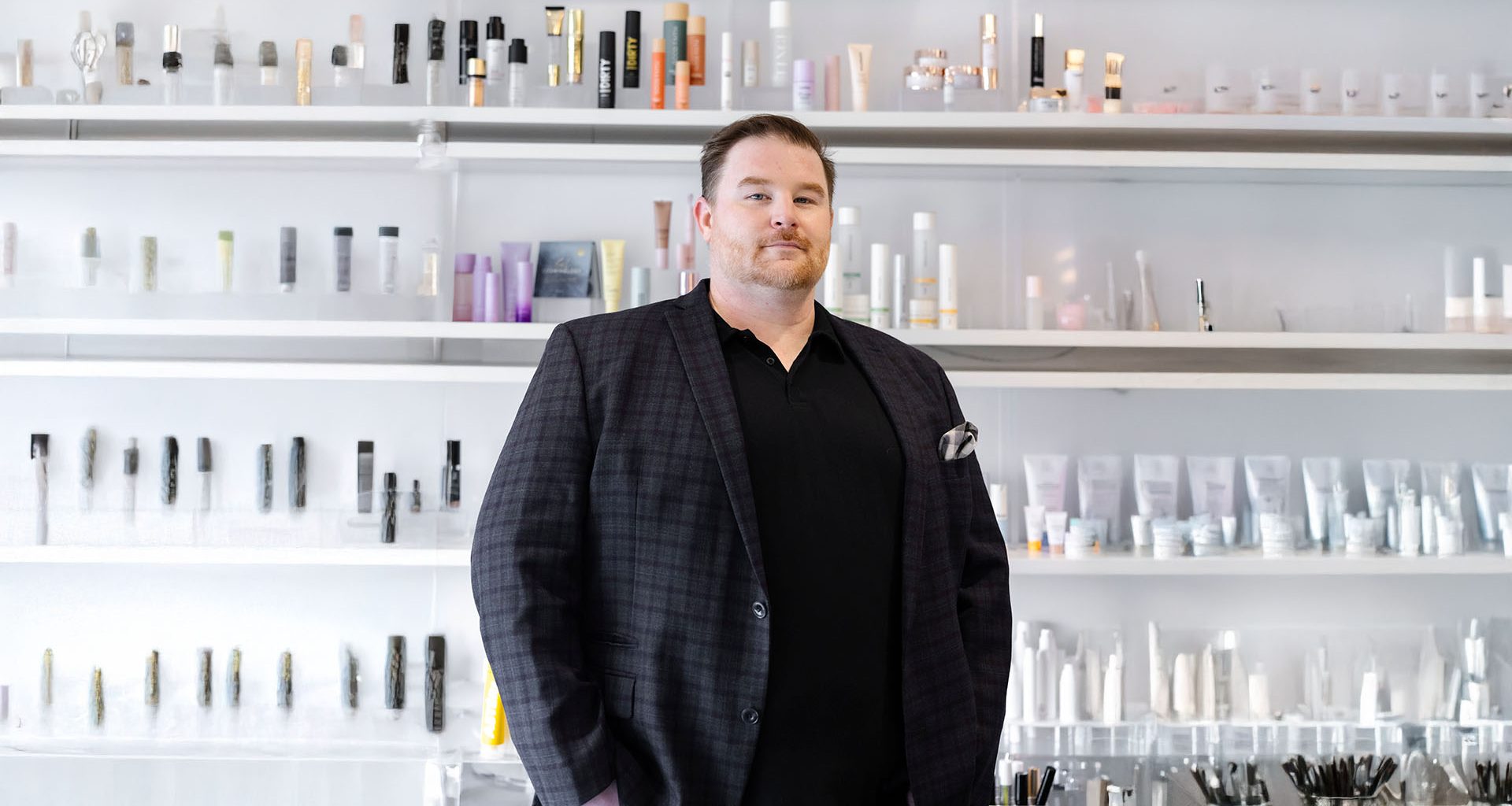
This is where design thinking becomes crucial. It reframes how beauty brands identify problems, connect competing demands, and make decisions across the entire system, creating the conditions for more resilient and differentiated outcomes. “Design thinking only works when it is applied early and carried through the entire process, not added at the end,” Kwapis says. Kwapis has spent nearly two decades working inside that reality. A product designer by training, he works across packaging design, engineering, and sustainability at FusionPKG, collaborating closely with beauty brands as products move from early concept through development. He shares what smart design thinking looks like in practice, shaped by the realities of getting beauty products designed, engineered, and produced at scale.
Design Thinking as a Strategic Imperative
In practice, design thinking in beauty is not about aesthetics or brainstorming sessions. It is about addressing interconnected challenges, from sustainability and regulation to consumer experience and scalability, as part of a single system. “It’s going to allow a brand to think more holistically about these problems,” he says, particularly in a market defined by volatility and saturation.
That holistic view has become essential as expectations rise from all sides. Retailers demand measurable sustainability progress, governments introduce new compliance requirements, and consumers expect packaging to reflect brand values as much as product performance. Design thinking provides a framework for navigating those pressures without sacrificing speed or differentiation.
Turning Design Thinking into Execution
“What I’ve really learned over the years is how to be actionable,” he says. “Not just hypothesizing how you can be more sustainable or use design thinking, but actually putting it into practice.” At FusionPKG, that looks like integrating design thinking across leadership, engineering, sustainability, and project management. Rather than operating as a standalone function, design has become a shared language that influences decision-making throughout the organization. The result has been the ability to develop solutions such as recyclable airless packaging systems that balance engineering complexity with environmental responsibility.
For Kwapis, this integration is what separates meaningful design thinking from surface-level adoption. When design is introduced late, it becomes cosmetic. When embedded early, it shapes outcomes.
Applying Design Thinking Inside Modern Beauty Brands
For beauty brands seeking transformation over the next 12 to 18 months, Kwapis emphasizes speed and experimentation. “You have to sort of prototype ideas, not just physical things,” he shares. Testing new business models, channels, or ways of engaging consumers can generate insight long before a product reaches production. He also points to the value of small, cross-functional teams that operate outside traditional bureaucracy. These focused groups, made up of people with different backgrounds and perspectives, can move quickly and challenge assumptions that slow innovation. Defining outcomes early, then iterating against them, allows brands to reduce risk while accelerating learning.
The Role of Technology and Materials Innovation
Design thinking in beauty is also evolving alongside technology. Artificial intelligence is already reshaping marketing, but Kwapis sees it moving deeper into manufacturing and supply chain optimization. These tools will increasingly support faster development cycles and more informed decision-making. Sustainable materials represent another inflection point. Beauty packaging, unlike food and beverage, often consists of intricate, engineered components. “We’re really creating little engineered pieces of art,” Kwapis says. Advances in chemical and molecular recycling could significantly expand what is recyclable, addressing long-standing limitations of curbside systems and opening new design possibilities.
Why Suppliers Are Shaping the Future of Beauty
The final shift is structural. As large beauty groups downsize internal teams, sustainability functions are often among the first to be reduced. That pressure is pushing responsibility outward. “The brands don’t have those teams anymore,” Kwapis says, which places greater emphasis on suppliers to deliver innovation and sustainable solutions. Those suppliers that invest in material science, clean innovation, and design-led problem-solving will increasingly shape how beauty brands compete. This underscores a larger point that design thinking is a way of building resilient systems that allow brands to adapt as expectations change. In an industry defined by constant disruption, the ability to think and design holistically may be the most durable advantage of all.
To follow Alexander Kwapis’ work, connect with him on LinkedIn or visit his website.