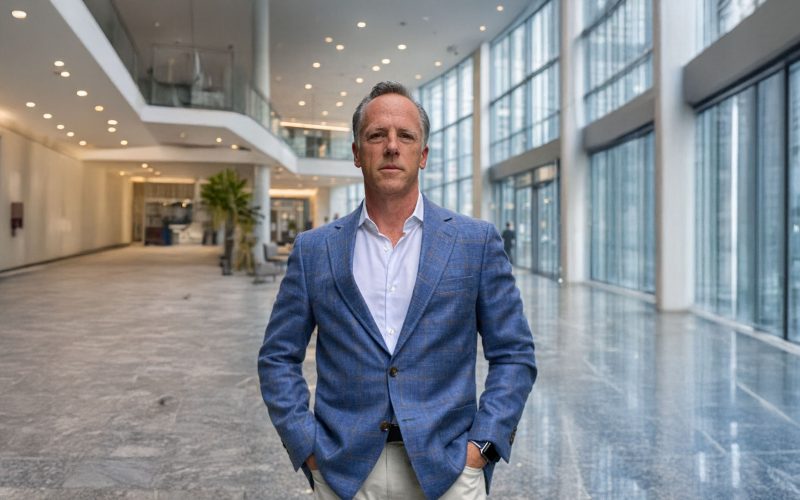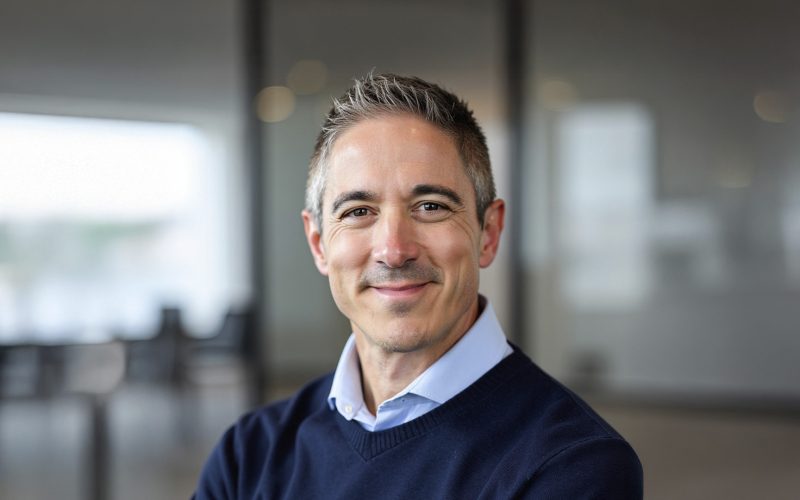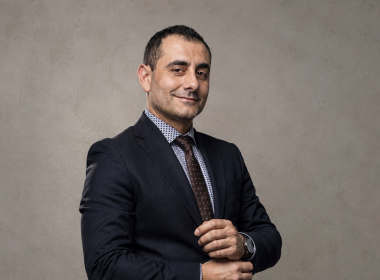
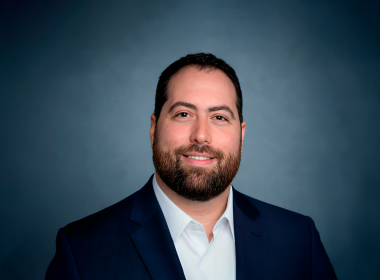

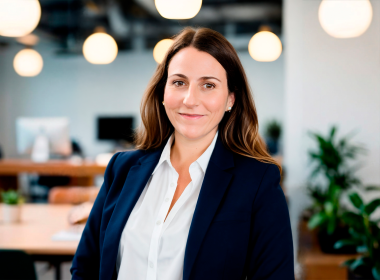
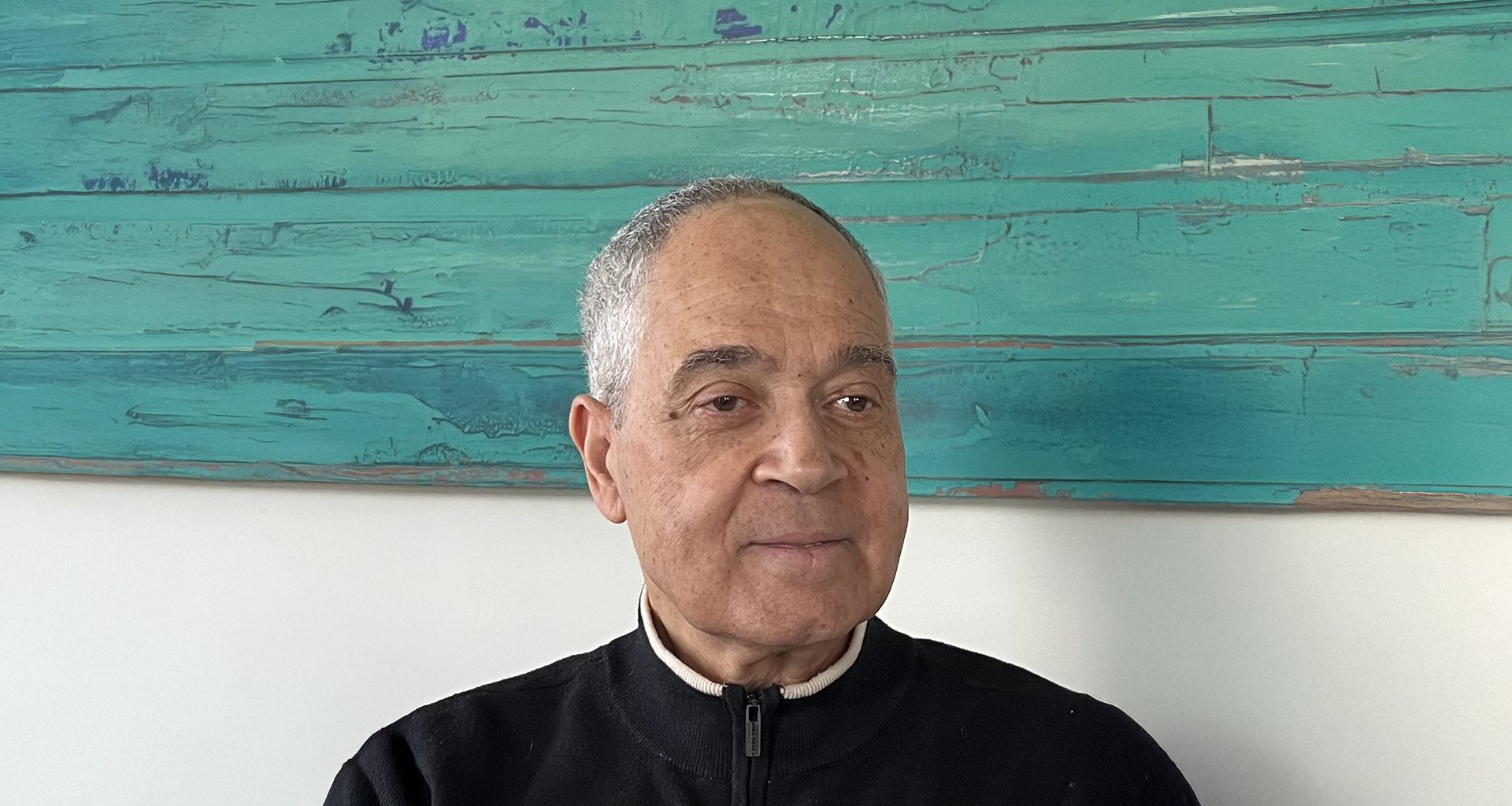
Frederic Scheer, Chief Executive Officer (CEO), Chief Scientific Officer (CSO), and Co-Founder of ALERCELL, is challenging the assumption that serial entrepreneurship equates to constant multitasking and split focus. As a successful entrepreneur who has launched and scaled more than 30 ventures across biotech, energy, and materials science, he shares that effective leadership comes down to sequencing ventures rather than running them concurrently.
“I concentrate on one company specifically and I am not running multiple companies at the same time,” he says. Over the course of his career, Scheer has built and scaled portfolio ventures by transitioning deliberately from one to another. To avoid stretching executive bandwidth too thin, he phases his involvement over time, often across an 18-month horizon, to a form of multi-company CEO leadership rooted in timing, discipline, and clarity of purpose.
Sequencing Ventures Across Industries
Building ventures across industries simultaneously demands a framework for knowing when to shift attention and when to exit. Scheer’s method is grounded in measurable signals, beginning with unit economics and capital efficiency. “When you start to invest in the company and you see that the money that you put is really allowing you to develop the company, then you understand that what you are doing is making sense,” he says. This principle guided his work in bioplastics, where market conditions such as rising oil prices validated the model and enabled venture scaling.
Equally critical is the strength of a company’s “competitive moat,” or unique selling point (USP). ALERCELL, an AI-powered molecular diagnostics company focused on early cancer detection, that USP is defined by intellectual property and data.With dozens of patents and hundreds of thousands of electronic medical records—validated across 200,000+ patient cases—powering proprietary algorithms, the company has created barriers that are difficult to replicate. This clinical evidence base enables detection windows extending to 41 months before symptomatic disease, a distinction that reshapes the competitive landscape. “Nobody can come overnight and copy what you are doing. It’s too complicated,” Scheer says.
Market timing adds another layer to the decision-making process. External conditions, from economic cycles to geopolitical events, influence when to double down or step back. For a multi-company CEO managing portfolio ventures, understanding timing is as important as execution.
Strategic Delegation and Founder Mindset
One of the most underestimated aspects of parallel leadership is the ability to step back operationally. Founders who remain deeply embedded in day-to-day execution limit both their companies and themselves. “If at 10 o’clock at night they’re calling you because there is a shipment that did not arrive in time, you are on a trajectory to failure,” he says. Strategic delegation is essential for venture scaling and for preserving executive bandwidth across initiatives.
This shift, however, requires a disciplined founder mindset. Leaders must separate personal identity from company operations and empower teams to carry forward the mission independently. The company must function as an organism, not as an extension of the founder’s presence. Scheer pairs this with a decision-making philosophy that reflects the realities of early-stage companies. “You need to develop comfort to take decision 70% on conviction and assume up to 30% of risk,” he says. Without the resources of large corporations, founders must act decisively with incomplete information, balancing speed with calculated risk.
Creating Standards as a Strategy for Category Creation
Across industries, Scheer has applied a consistent principle that underpins category creation: the establishment of standards. Early in his career, he helped define benchmarks for biodegradable materials, enabling market trust and ultimately supporting a successful public listing.
Today, he applies the same logic in biotechnology. In molecular diagnostics, where accuracy carries life-or-death implications, standards are not optional. “You need to make sure that you are right,” he says. By validating diagnostics against extensive datasets, Scheer is building a defensible framework that can be trusted by regulators, clinicians, and patients. This approach reflects a broader lesson for serial founders that category-defining companies are not built solely on innovation, but on the systems that validate and scale that innovation.
Purpose-Driven Leadership Across High-Growth Startups
Underlying Scheer’s approach is a clear sense of purpose. His current work in cancer diagnostics is shaped by personal experience, including his own battle with disease. Scheer considers that there is no reason why, in the 21st century, many cancers should not be detected at an earlier stage, and patients given access to advanced treatments. He advocates for a shift in how innovation-driven CEOs prioritize across competing ventures, particularly in healthcare, where investment remains heavily skewed toward treatment rather than early detection.
Leading with purpose across high-growth startups provides more than motivation. It sharpens decision-making and aligns stakeholders around a shared mission. For Scheer, that mission extends beyond building successful companies to reshaping entire industries. By sequencing focus, building defensible standards, and embracing strategic delegation, Scheer demonstrates how CEOs lead multiple companies at once without diluting impact. His approach offers a counterpoint to the myth of constant multitasking. ALERCELL is currently progressing toward Series A with validated clinical partnerships and regulatory pathways to scale early detection diagnostics globally. Serial founders outperform single-company executives not by dividing their attention, but by concentrating it where it matters most.
Follow Frederic Scheer on LinkedIn or visit his website or his company’s website for more insights.