



Experienced leaders make this mistake more than anyone expects. They find a role that checks every box, and they assume that alignment on the work means alignment on everything that matters. It does not. The misread is almost never about values in the abstract. It is about context, expecting one set of organizational dynamics and finding another.
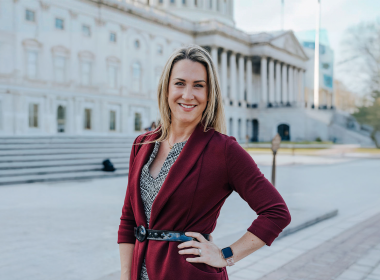
Lori Clement, an executive search advisor who has spent her career helping leaders and mission-driven organizations find durable fits, has watched this pattern play out repeatedly. She has observed the consequences unfold when leaders leave prematurely, sometimes within the first three to twelve months, because the alignment was never real. “Real alignment means a leader can see the organization clearly, not just its mission, but its dynamics and its constraints, and still feel they can lead fully and honestly,” Clement contends.
Three Questions That Cut Through the Surface
Values alignment is not about shared language. Two organizations can both claim to value honesty, transparency, and people-first culture while making decisions in entirely incompatible ways. The diagnostic is not whether the words match, it is whether the decision-making does. Clement frames this through three questions every leader should apply before accepting a role:
1. The first is about identity safety: is there any part of who you are that you would need to hide or edit to be successful in this organization?
2. The second is about how the organization handles difference: is disagreement genuinely welcomed, or is it something people navigate around?
3. The third, and the one Clement returns to most urgently in the current environment, is about behavior under pressure: when things get hard, what gets protected and what gets compromised?
That third question, she argues, reveals more about an organization’s actual values than any statement on a website or any response in an interview.
Ask About Tension, Not Culture
The question most candidates have been trained to ask, “What’s your culture like?”, rarely produces useful information. Organizations know how to answer that question in a way that sounds compelling and reveals very little. The questions that actually surface reality are the ones that point at specific moments of difficulty.
Clement recommends three.
1. Tell me about a time when there was real disagreement on this team, and how was it handled?
2. What has been hard here recently, and why?
3. Where have leaders struggled in this role or in others in the organization?
The answers matter, but so does what is absent from them. “If everything sounds too aligned, too smooth,” she observes, “that is usually a signal that something is not being surfaced.” Overly polished responses to questions about tension are data, just not the kind the interviewer intends to provide.
What Pressure Actually Reveals
In the current nonprofit funding environment, Clement argues that leaders have a rare and concrete diagnostic available to them. They can observe how organizations are behaving right now, in real time, under genuine strain. Funding shifts, political pressure, and resource constraints are forcing decisions that reveal organizational character far more accurately than any values conversation.
Who is being included in decision-making during the crisis? Whose voices are being prioritized? What commitments that existed for decades are being reversed, and under what rationale? “Find out what an organization protects when it is under pressure,” Clement urges, “and you will know what they actually value.” For organizations currently experiencing stability or even a surge in support, she recommends looking back to the COVID-19 pandemic. How an organization responded to that period of constraint is the most recent and most honest indicator of how it will respond to the next one.
The future of leadership hiring, in Clement’s view, is already shifting from transactional to intentional. Leaders are no longer simply asking whether they can do the job. They are asking whether they can be themselves in the role, whether they can stay the full cycle, the ideal nonprofit tenure being eight to ten years, and whether the organization is ready for the kind of leadership they actually bring. That shift in the question changes everything about what the search process needs to surface.
Follow Lori Clement on LinkedIn for more insights on leadership values alignment, executive search, and helping mission-driven leaders find organizations where they can lead fully and last.