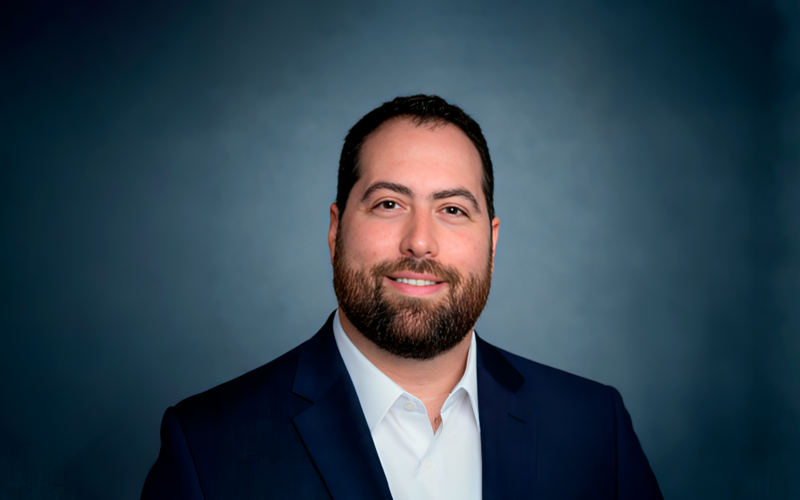


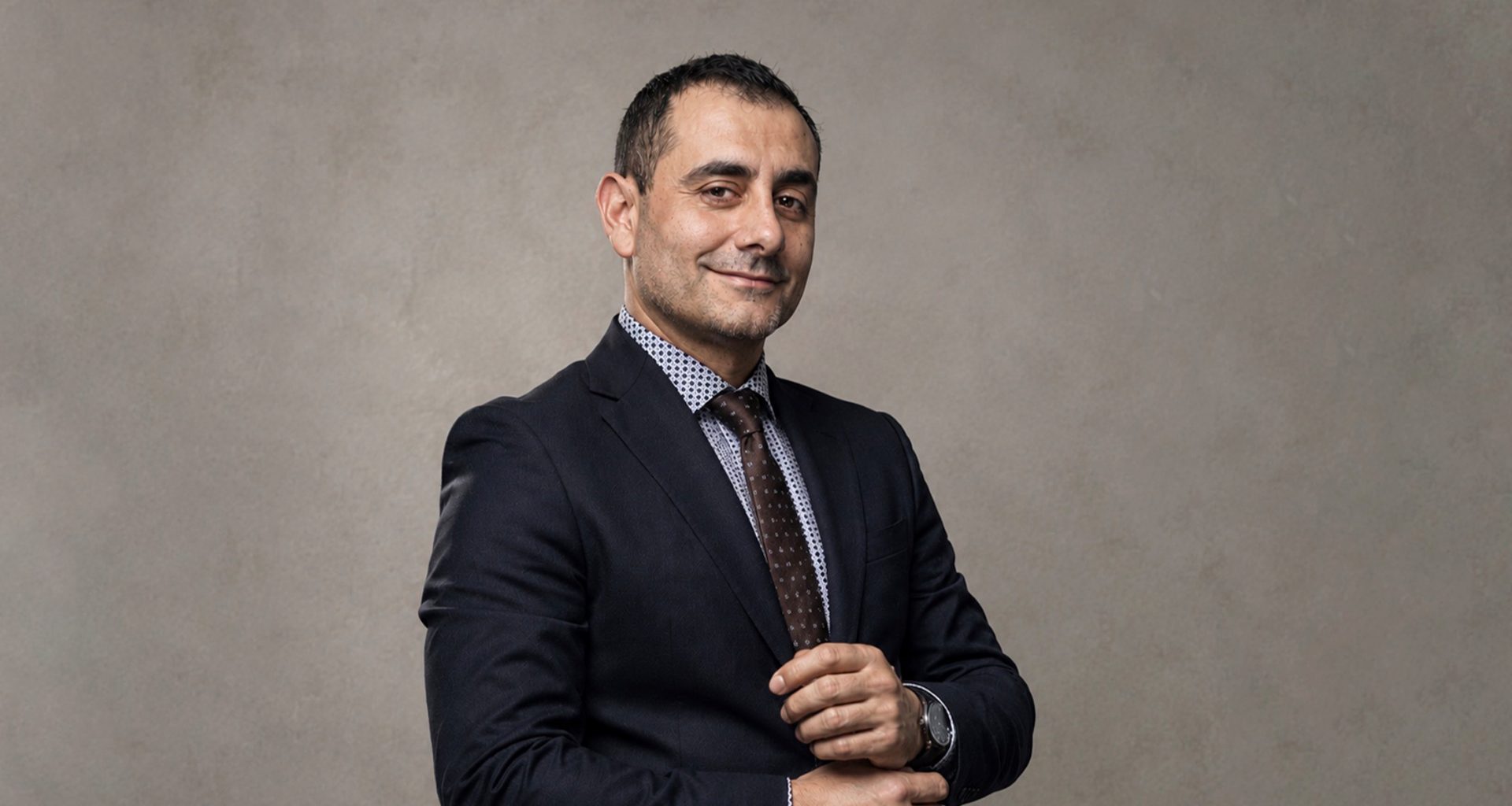
A patient with a pancreatic obstruction who lives near a major academic center gets a minimally invasive procedure, goes home, and returns to work. A patient with the same condition two hundred miles away gets open surgery, or nothing at all, because no one in the referral chain knew the alternative existed. That gap is not a technology problem. The instruments exist, the techniques are published, and the evidence is settled. What is missing is the human and institutional scaffolding that turns a proven procedure into something a local clinician can perform safely. Dr. Michel Kahaleh, who leads the Foundation for International Therapeutic Endoscopy (FITE), has built his argument around an uncomfortable premise: in therapeutic endoscopy, the bottleneck is rarely the device. It is expertise, and expertise does not travel in a shipping container.
The Distance Between What Exists And What Patients Reach
Kahaleh is direct about what troubles him most. “The gap that concerns me most is the distance between what therapeutic endoscopy can offer and what many patients can access,” he says. Proven minimally invasive procedures may be available at a small number of leading centers, while patients elsewhere undergo more invasive treatment, or never receive an appropriate referral at all, because local expertise, equipment, funding, or clinical pathways are missing. Note how many failure points he lists. A hospital can have the scope and still fail the patient if no one routes the case correctly.
The second gap is the one, some keeps trying to solve with weekend courses. “Advanced procedures require more than attending a course,” Kahaleh says. “They demand structured education, expert mentorship, appropriate case selection, and ongoing assessment of outcomes. Without that support, access cannot expand safely or sustainably.” That last word carries the weight. Expansion that outruns competence does not simply fail to help patients. It produces complications, erodes local confidence in the technique, and sets the program back further than if it had never started. FITE’s day-to-day response is deliberately unassuming: organizing hands-on training, expert-led clinical education, case-based learning, collaborative research, and durable mentor relationships. The organization also works with institutions to identify where expertise, technology, and referral pathways are thin, then builds partnerships around those specific holes rather than around a generic curriculum.
Portable Principles, Local Delivery
The obvious temptation for a foundation built on Western academic practice is to export the model wholesale. Kahaleh rejects that framing outright. “We do not approach this as exporting a rigid model from one healthcare system to another,” he says. The work begins by listening to local physicians and understanding their patient population, resources, referral patterns, regulatory environment, and clinical priorities. What stays fixed is a short list: patient safety, appropriate case selection, technical competency, ethical practice, and outcome measurement. Everything about how those principles get delivered is negotiable.
That distinction matters more than it might sound, because it resolves a tension that has quietly stalled global medical education for years. Standardization tends to arrive as compliance, which local clinicians resent and eventually ignore. Kahaleh’s version puts measurement in the hands of the people being trained rather than the people doing the training. He encourages physicians to track procedural success, complications, patient outcomes, and durability of treatment, so each program can find its own weaknesses and correct them in its own environment. “The objective is not to make every system look the same,” he says. “It is to establish a shared definition of excellence while giving local clinicians the tools and flexibility to achieve it sustainably within their communities.” Supervised progression toward independent practice, observation, and longitudinal support replace the one-off conference, because, as he puts it, true competency cannot be established through a single course.
Whether AI Closes The Gap Or Widens It
Artificial intelligence (AI) is arriving in gastrointestinal (GI) diagnostics quickly, and Kahaleh’s view on it is neither dismissive nor breathless. The technology can reduce disparities, he argues, “but only if equity is built into its development and deployment from the beginning. Otherwise, it risks widening the gap between well-resourced centers and underserved communities.” The mechanism of that widening is easy to trace. Tools validated only at major academic centers, on their equipment and their patient populations, will underperform everywhere else, and the centers that most need diagnostic support will be the ones least able to trust the output.
His prescription is validation across different populations, equipment platforms, and clinical environments, paired with the practical conditions that adoption requires: affordable access, infrastructure, training, technical support, and responsible data governance. Education carries unusual weight here. “A technology cannot improve care if clinicians are not prepared to interpret its output, recognize its limitations, and integrate it safely into clinical decisions,” Kahaleh says. The aim is for underserved regions to become active participants in AI-enabled care rather than passive recipients of technology, which is a meaningfully different commercial and clinical relationship. He sets the standard for evaluating these innovations: “We should ultimately judge these innovations not by how sophisticated they are, but by whether they improve diagnostic accuracy, expand access, and produce better outcomes for patients who have historically been left behind.”
Kahaleh’s five-year picture is modest on purpose. Equitable access does not mean every advanced procedure in every hospital. It means every patient enters a reliable pathway to the right care, delivered locally or through timely referral to a regional center of expertise. He expects progress through stronger regional hubs, standardized training, longitudinal mentorship, tele-education, and locally led programs capable of delivering essential procedures, tracking outcomes, and training successors. Equipment alone does not create access, he notes. Trained teams, referral networks, quality standards, and sustainable funding do. Success looks like fewer patients undergoing major surgery when a minimally invasive option is appropriate, shorter delays in diagnosis and treatment, and less dependence on geography or economic circumstance.
Follow Dr. Michel Kahaleh on LinkedIn for more insights on therapeutic endoscopy, global medical education, and equitable access to advanced GI care.