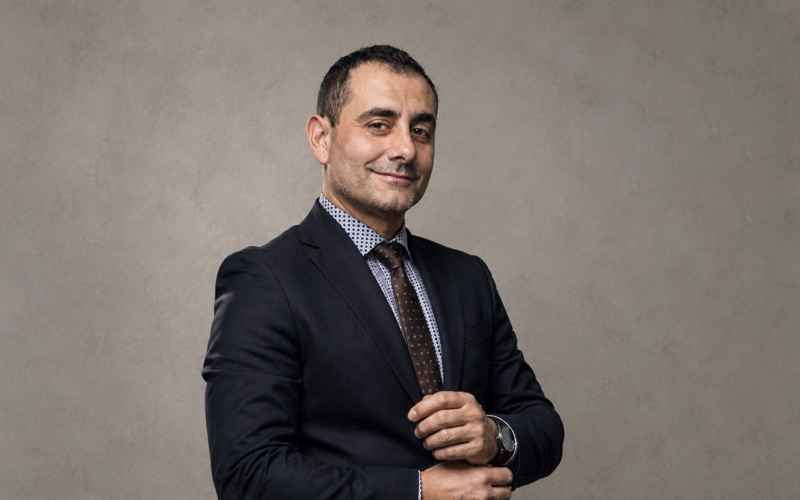

Bobby Graham asks every candidate the same thing: “Tell me about the worst day in your life.”
He’s not looking for a sad story. He wants to know what the person did the next morning. Graham is President at BizScout, a marketplace for buying and selling small businesses, and he figured out a long time ago that you can’t train resilience into someone. “If a person is not resilient, you can’t make them resilient.”
Resilience Begins Before Day One
Organizations often assume resilience can be coached into employees after they’re hired. Graham disagrees. While early career professionals can grow through strong mentorship and challenging experiences, seasoned professionals rarely undergo a complete shift in mindset. That conviction has reshaped the way Graham evaluates talent. Rather than relying on standard interview questions about strengths or leadership style, he explores candidates’ personal experiences. The worst-day question tells him more than any résumé can.
The objective is to understand how someone responds to adversity. Graham looks for people who have navigated meaningful challenges and continued moving forward. “If you’ve never struggled, you’re not resilient.” Those conversations often uncover qualities that traditional hiring processes overlook. A candidate who spent two years traveling Southeast Asia with no defined career plan stood out not because of the gap in employment, but because of the confidence and adaptability required to embrace uncertainty. For Graham, resilience leaves evidence long before someone joins an organization.
Great Teams Need More Than Great Individuals
Building resilient teams is not about assembling the highest concentration of top performers. Graham believes leaders often mistake star talent for team strength, creating groups where everyone expects to lead and few are willing to support. “You can’t have 10 people who all want to be the star player,” he says. “People have to be okay giving the assist to make it better for the team.”
Pressure amplifies individual tendencies. When results decline or uncertainty increases, employees driven primarily by personal recognition often compete for control rather than collaborate toward solutions. Graham has seen this dynamic across organizations of every size, from global marketplaces to growing businesses.
Every team benefits from standout performers, but resilience depends on balance. A healthy mix of leaders, specialists, and collaborative contributors creates an environment where responsibilities shift naturally as circumstances evolve. During difficult periods, everyone understands their role instead of competing for the spotlight.
Hiring Storm Riders, Not Storm Avoiders
The demands of smaller organizations make resilience even more valuable. Large enterprises can often absorb inconsistent performers because scale creates redundancy. Early-stage companies rarely have that luxury. “The smaller the team, the more resilient people you need,” Graham says. He believes challenges are unavoidable. Revenue fluctuates, markets shift, and unexpected problems emerge without warning. The defining question becomes how individuals react when those moments arrive.
Graham recalls a quote that has become central to his leadership philosophy: “When I see the storm, I don’t think about how I can avoid the storm. I tell myself I’m the storm rider.” That mindset separates employees who contribute under pressure from those who retreat. Leaders do not need everyone to become the hero during every crisis, but they do need people willing to move toward problems rather than away from them. “You don’t need to be the captain of that ship, but we’re all going through the storm.”
Conflict Is a Leadership Skill, Not a Personality Trait
Pressure inevitably creates disagreement, but Graham believes many organizations waste valuable time because managers have never learned how to resolve conflict effectively. As a certified conflict manager, he approaches disputes methodically rather than emotionally. Instead of encouraging superficial harmony, he focuses on clarifying language and intent. Miscommunication often escalates because people respond to emotionally charged wording rather than the underlying issue.
“What I heard you say was ABC XYZ. Did you use that exact language?” is a question Graham likes to ask to uncover where conversations began to unravel. By reframing discussions objectively and encouraging people to restate concerns without inflammatory language, leaders can resolve many conflicts before they become cultural problems. Graham rejects the notion that conflict management is an innate talent. He says managers can lose 20 to 40 percent of their time to conflict. “It is a learned skill for conflict management that is super easy. Once you get it, you can cut that time to almost nothing.”
Resilient organizations are ultimately built by resilient people. Hiring individuals who embrace adversity, creating balanced teams that prioritize collective success, and equipping managers to resolve conflict gives businesses the stability to perform when conditions are at their toughest.
Follow Bobby J. Graham on LinkedIn or visit his website for more on building and leading marketplace teams.