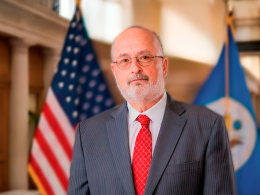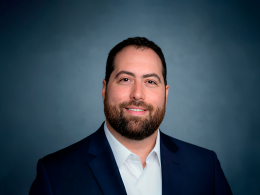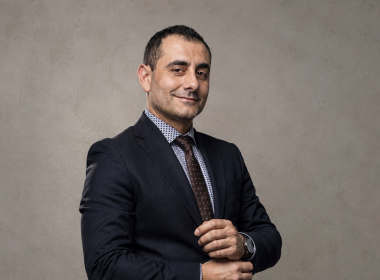

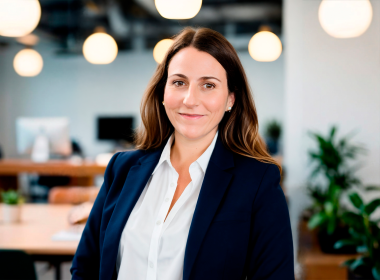
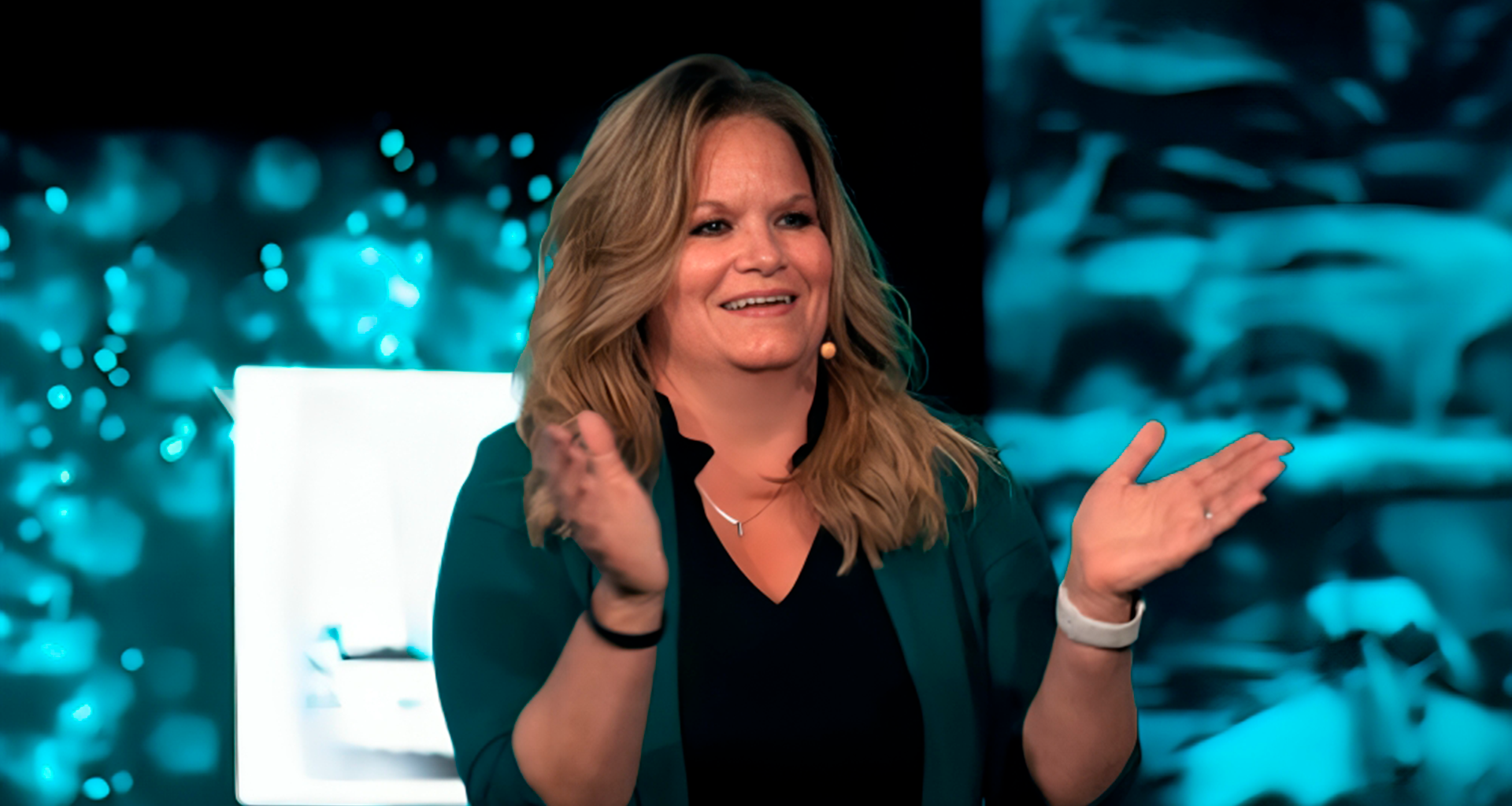
For real estate leaders, developing talent into consistent producers requires creating the conditions for people to turn potential into disciplined action. Lori Muller, President of Fathom Realty, sees mentorship as a process of building confidence and independence.
“Potential may open the door, but habits, accountability, and execution are what create lasting success,” Muller says. That distinction is central to her approach to leadership development: strong mentors do not create followers who depend on constant direction. They develop professionals who can think, act, and eventually lead for themselves.
Start With the Person, Not the Production
The temptation in a performance-driven industry is to focus immediately on numbers. Muller argues that effective mentoring starts somewhere else: with understanding the individual. “Start with the person before focusing on production,” she says. That means understanding what motivates an emerging leader, what they want to accomplish, and what may be holding them back. From there, the mentor can connect a larger vision to the daily behaviors required to achieve it.
For brokerage owners and leaders thinking about strategic planning for brokerage owners, this distinction matters. Long-term success in real estate leadership depends not only on setting ambitious goals, but on translating those goals into manageable action plans. Breaking objectives into smaller stages makes progress easier to see and accountability easier to maintain.
Turn Potential Into Ownership
When mentoring is working, Muller looks for a change that goes beyond improved production. The emerging leader begins to take ownership. Instead of waiting for someone else to create opportunities or solve problems, that person starts asking better questions, following through on commitments and looking for solutions. “Their language changes from ‘I can’t because’ to ‘How can I?’” Muller says, whose career spans more than three decades across sales, real estate, and executive leadership, marked by a consistent track record of building and scaling high-performing organizations.
She has served as a real estate agent, team leader, owner of multiple brokerages, and served in various leadership roles throughout the industry and within professional associations. This experience sharpened her ability to build systems, mentor talent, and drive sustainable growth at scale. In 2026, she brought that depth of leadership to her role as President of Fathom Realty, where she continues to apply a hands-on, development-focused approach to growing both agents and brokerage performance.
“True mentoring does not create dependency,” she says. “It actually develops leaders who could think independently and make strong decisions, accept responsibility, and eventually mentor others and pay it forward.” A leader who depends on constant intervention may perform well temporarily, but a leader who develops independent judgment can contribute repeatedly and eventually help develop others.
Combine Technology With Human Judgment
The mechanics of leadership development are also changing as artificial intelligence (AI) becomes more integrated into real estate. Muller sees technology as an important productivity tool, but not a substitute for the relationships at the center of the business.
AI can support preparation, follow-up, communication, and business planning. But emerging leaders still need to develop empathy, judgment, authenticity, and trust. “Mentors must help emerging leaders combine technology and humanity,” Muller says.
That requires mentors to teach more than tools. Leaders need to evaluate information, ask meaningful questions, communicate their value, and make sound decisions amid rapid change. For broker-owners focused on building a scalable real estate brand, the challenge is to embrace technology without allowing efficiency to erode the personal relationships that drive retention and long-term client loyalty.
Execution Is the Leadership Test
Ultimately, Muller believes the difference between an emerging leader who remains full of promise and one who becomes a top producer comes down to execution. “Bottom line: the difference is execution,” she says. Talent, ambition, and ideas are common. Consistency is not. The leaders who break through are willing to accept coaching when it is uncomfortable, remain accountable and continue doing the work when nobody is watching.
That philosophy has implications beyond individual performance. Real estate strategy for broker-owners increasingly depends on developing leaders who can sustain performance through market change, take responsibility for outcomes, and help others grow. This is why the strongest leadership cultures treat mentoring not as a short-term intervention, but as part of the operating system. “Those great mentors do more than just help people increase their production,” she says. “They help them become the kind of leaders who can create results repeatedly, inspire others to do the same thing, and build success that lasts.”