



Most enterprises are not losing the digital asset race because the technology is too advanced. They are losing it because their internal experience of using it is too frustrating. Teams abandon tools that create friction, pilot programs fail in procurement, and the gap between organizations that have operationalized digital assets and those still running workshops about them is widening every quarter.
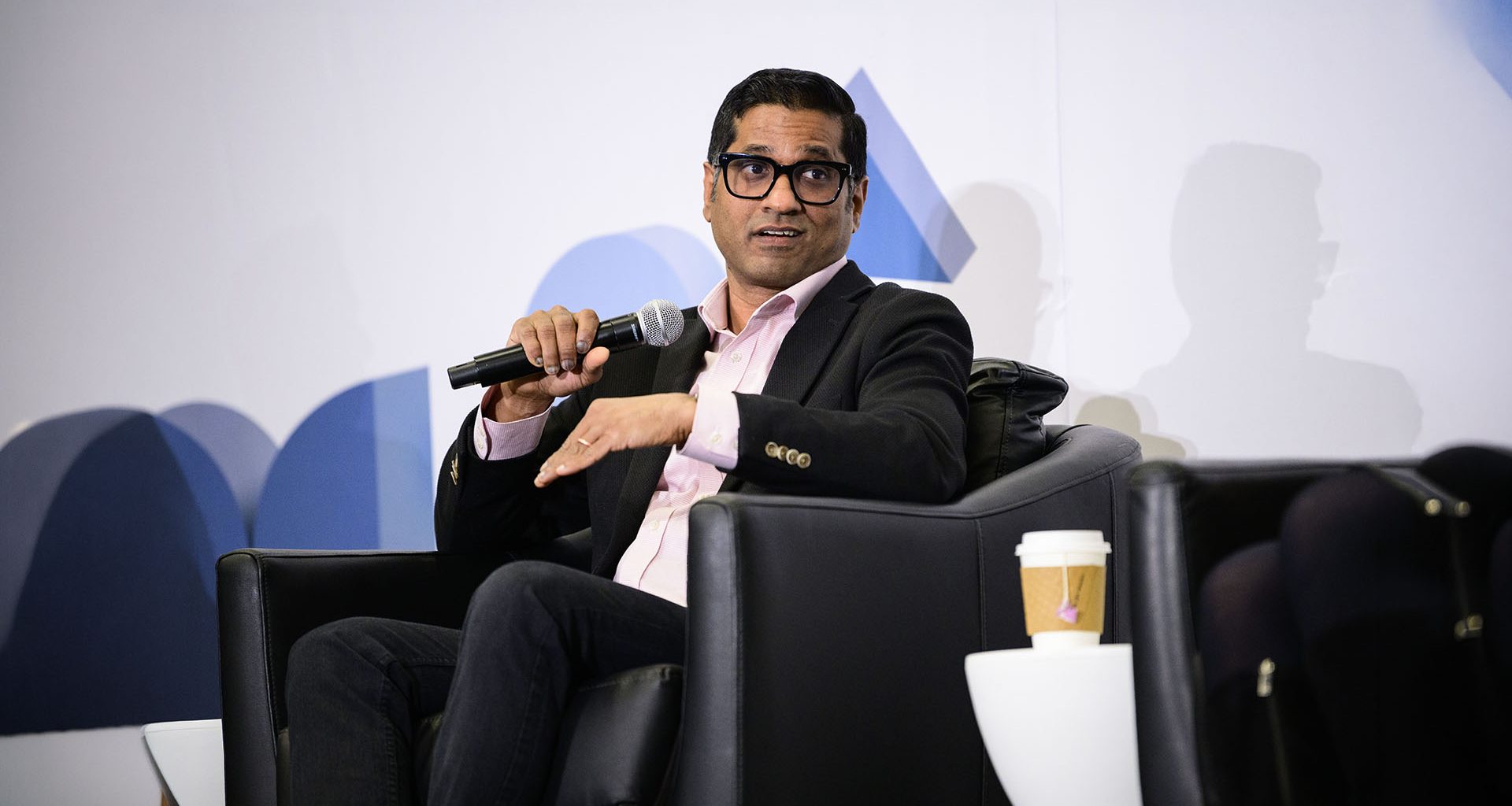
Shyam Nagarajan, Chief Partnership Officer (CPO) at Hashgraph and former Chief Operating Officer (COO) at Hedera, has watched this pattern play out across global enterprises, and his diagnosis is operational, not philosophical. “If an organization has to jump through hoops to use digital assets, it will not find traction internally,” Nagarajan states. “That is the single biggest inhibitor, and it has nothing to do with the technology.”
Commitment Is Infrastructure
Organizations committed to digital asset adoption can be identified within minutes. They have established wallets, dedicated teams that make deliberate choices about which assets to use, and achieved alignment across risk, legal, and operational functions. That alignment is the hardest thing to build and the clearest signal that an organization is serious.
Without it, digital asset programs stall in committee, die in compliance review, or never leave the innovation lab. Digital assets are simply another form of financial instrument. The adoption challenge is not ideological; it is operational. When using a digital asset is as frictionless as any other internal financial transaction, adoption compounds. When it requires special approvals, unfamiliar processes, and repeated friction at every touchpoint, even committed teams eventually stop trying.
Illiquid Balance Sheets Are a Solved Problem, If You Act
Most enterprise balance sheets include significant assets that cannot be monetized or serve as collateral. That capital is functionally trapped. Real-world asset tokenization unlocks it, enabling tokenized commercial paper as a short-term capital mechanism, opening new avenues for settlements, and creating collateralization opportunities that previously did not exist. “It opens up a truly new world of new markets, new process efficiencies, new asset collateralization, and new customers,” Nagarajan reflects. The organizations that internalize this stop treating digital assets as a technology experiment and start treating them as a capital strategy. That reframe is irreversible, and the ones that make it first build advantages that are genuinely difficult to replicate.
The next horizon is the agentic world. Autonomous systems operating at enterprise scale require a trust-and-control layer capable of governing decisions at machine speed. Blockchain and digital assets provide exactly that foundation. The organizations building these capabilities now are not just solving for today’s efficiency gains. They are determining whether they will be able to participate in the agentic economy at all or spend the next decade trying to catch up to organizations that made the infrastructure decision years earlier.
Follow Shyam Nagarajan on LinkedIn for more insights on enterprise digital asset adoption, blockchain governance, and building the infrastructure that actually scales.