

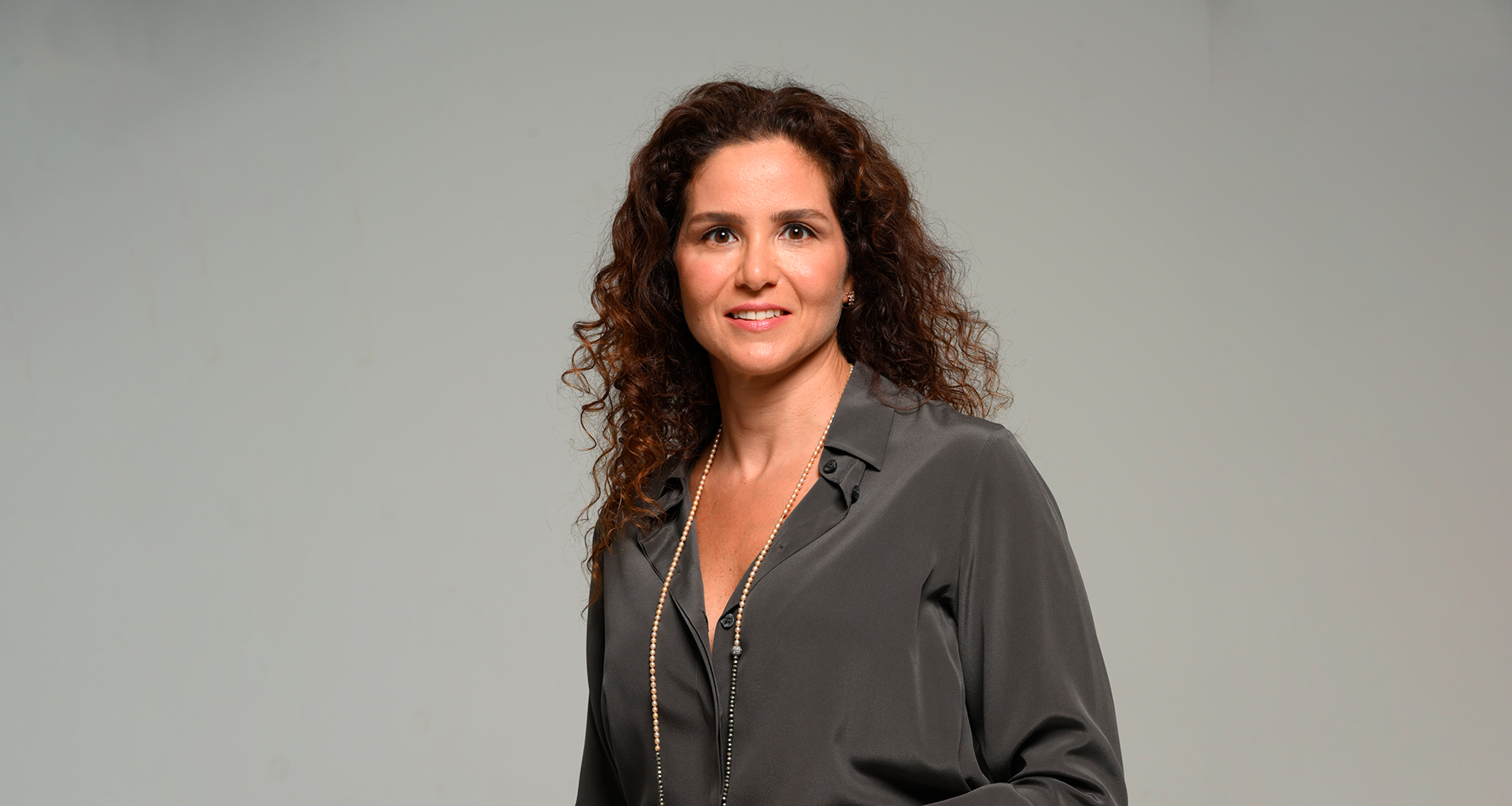
Professionals still tend to treat career growth as a predictable climb toward a fixed retirement date. With average life expectancies rising, however, a single path rarely holds up across 40, 50, or 60 years in the workforce. In her book The Many Lives of Work, author, trainee psychotherapist and Co-Founder What’s Next Initiative, Gamze Dinckok Yucaoglu argues that we should view working lives moving through recurring cycles rather than straight lines. Her work reframes career pivots not as setbacks but as the natural result of living and working longer.
Rethinking Work Through Perennial Cycles
For decades, corporate culture rewarded predictability and steady vertical progress above all else. Under that framework, taking a pause or changing fields often looked like a misstep or a lack of focus. Yucaoglu suggests that longevity changes the equation entirely, requiring people to adopt a different rhythm. When work spans several decades, periods of rapid progress will naturally alternate with moments of quiet exploration and renewal. “If a career is going to span 40, 50, or even 60 years, it is natural that it will have different cycles,” Yucaoglu explains. “There will be periods of growth and ambition, but also pauses, exploration, renewal, and reinvention.” She adds, “With knowledge getting obsolete in under a decade, we will want to have education be interspersed into our life rather than being done with it in our twenties.” Instead of linear lines, she likens career trajectories to perennial plants that retreat underground during cold months before returning in a fresh shape multiple times from the same roots. As she notes, “A peony doesn’t bloom all year, and when it returns, it may look slightly different.”
Carrying Past Experience Into New Territory
When people consider changing careers, they often worry about losing everything they spent years building. Yucaoglu faced this exact hesitation when moving away from case writing at Harvard Business School to train as a psychotherapist. While the two fields look completely separate from the outside, the shift was grounded in the very skills she had spent years refining. The common thread was not the specific job title but her interest in human behavior and the stories people tell. “One of the biggest misconceptions about career reinvention is that it means a complete starting over,” Yucaoglu says. Writing business cases had already given her extensive practice in deep listening, structured research, and asking critical questions about what drives people. Those same capabilities became the exact foundation she relied on when training as a therapist. As she points out, “ Reinvention is not starting from scratch. You are starting from everything you already know.”
The impact of longer working lives extends well beyond individual career choices. Inside organizations, traditional management structures still rely on an up-or-out approach that assumes every senior employee wants more administrative responsibility. When experienced leaders want to change how they contribute, companies that lack flexible options often lose critical institutional knowledge. Retaining that talent requires executive teams to create paths that accommodate midcareer shifts without penalizing the individual. “Organizations need to recognize that longer working lives will change what people expect from their careers,” Yucaoglu notes. “The old model of joining, moving steadily upward, and eventually retiring will not fit everyone.” Seasoned professionals often want to apply their judgment in advisory, mentoring, or specialized roles rather than continuing along a single management track. Creating space for honest conversations allows companies to design internal transitions that keep valuable experience within the business.
Building Scaffolding For Career Transitions
Navigating a career shift rarely happens without friction. When professionals step away from an established role, the immediate instinct is often to rush into the next position just to eliminate the discomfort of ambiguity. Yucaoglu experienced that urge firsthand after leaving academia, but she soon recognized that real clarity requires dedicated time and careful reflection. Without giving yourself room to explore, you risk jumping into a role that simply repeats old patterns. “When I left HBS, I felt an urgency to figure out what came next,” Yucaoglu recalls. “But finding a new direction requires introspection and reflection, and those things take time.” She emphasizes the need for practical scaffolding during these windows, which includes maintaining a realistic financial runway and surrounding yourself with people who point out blindspots. Having that support in place allows professionals to manage the uncertainty of exploration without panic.
Discovering what comes next is not a passive exercise in waiting for inspiration to strike. It demands real-world engagement through informational conversations, small tests, and exposure to unfamiliar environments. Many professionals make the mistake of treating the transition period as empty time between jobs rather than treating the search itself as the primary task. Engaging directly with new fields is what generates the insight needed to make confident long-term decisions. “A new career is unlikely to simply come to you,” Yucaoglu says. “You have to get your hands dirty: talk to people, enter new worlds, try things, and learn from what happens.” Accepting that work has many lives frees people from the pressure of finding one permanent, final identity. Over a working life of several decades, the ability to adapt, learn, and apply past experience in new ways becomes the most reliable asset a professional can hold.
Follow Gamze Dinckok Yucaoglu on LinkedIn for more insights on career reinvention, navigating professional transitions, and adapting to longer working lives.
The Many Lives of Work out on Amazon an other major booksellers worldwide.