

Most leaders resist recommendations to “give permission.” They instinctively hear “giving permission” as a sign of weakness – an invitation to question their authority, challenge their decisions, and undermine their position.
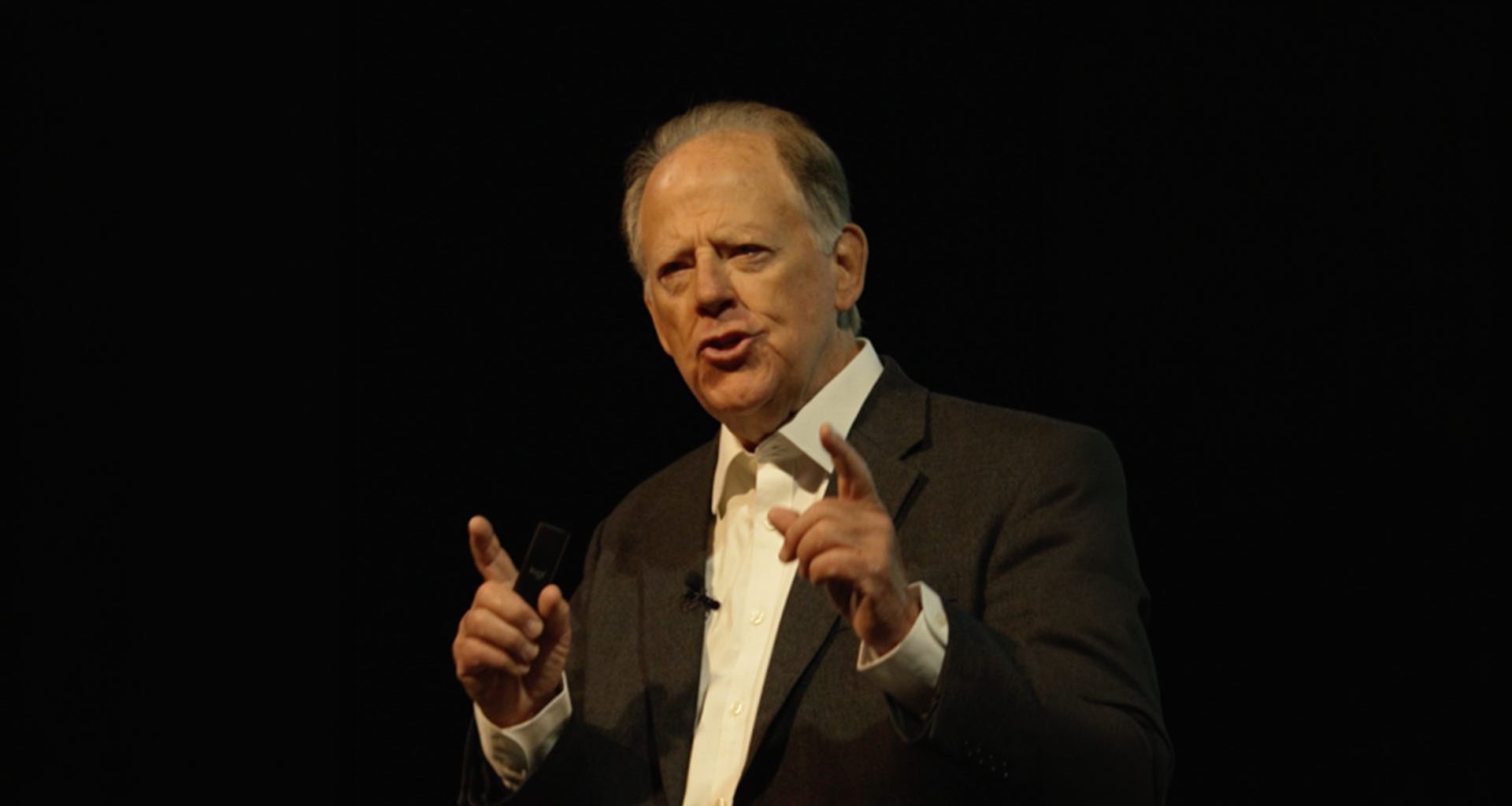
Rick Williams, leadership guru, keynote speaker, and host of the ‘Create the Future with Rick Williams Podcast’, argues that giving permission is a sign of strength and not a sign of weakness. It is a direct expression of leadership confidence. “Leaders who give permission are expressing their strength,” according to Williams. Successful leaders say, “I’m open to listening and learning from others. I am not afraid to hear what others think.”
Stop Performance Talking and Start Learning Talking
Most people talking in a conversation are not listening. They are waiting. They are mentally preparing what they will say the moment the other person stops talking. Williams identifies this as a consequential habit to break on the path to successful leadership. The fix is a simple but demanding shift in how you talk and communicate with others. Instead of thinking about what you will say next, ask yourself what you can learn from what the other person is saying. “They may have a point of view or experience to share that you have never considered,” Williams argues. He goes on to say, “You will learn from others even if they don’t understand the problem as well as you do.”
That shift, from talking as performance to talking as learning, is what separates leaders who make better decisions over time from those who keep arriving at the same conclusions because they have stopped learning from others. The ‘Create the Future with Rick Williams Podcast’ explores exactly this kind of leadership thinking in depth, with conversations that push leaders to examine how they listen, learn, and make important decisions.
Open Decision-Making Conversations Are a Competitive Advantage, But They Must Be Managed
Boards and executive committees consistently face the same dynamic. A dominant voice, whether the board chair, the founder, or the chief executive officer (CEO), with the most strongly held views, dominates the conversation. Other members, calculating the social risk of disagreement, self-censor. The decisions that follow reflect the most powerful voice in the room rather than the collective experiences, insights, and wisdom of everyone in the room.
Williams argues that open decision-making conversations will raise the quality of leadership decisions. But these conversations require active facilitation. Before finalizing a decision, explicitly invite the quieter members to contribute their experience and views. “It never works 100% of the time because of human dynamics,” Williams acknowledges. “But even partial adoption significantly improves group decision-making by incorporating the shared opinions and experiences of everyone at the table.” The board that hears from everyone makes better decisions than the board that only hears from the loudest voice in the room.
Develop Leaders for Where the Organization Is Going, Not Where It Has Been
Williams references Logitech CEO Bracken Darrell’s concept of firing and rehiring yourself every few years. The leader who succeeded in building the organization from scratch may not be the best leader for a following growth period. The leadership skills required for early-stage companies are fundamentally different from those required at high growth, maturity, and harvesting stages. The same principle applies to every department and division head, not just the CEO.
“Think about leadership in terms of what’s required six months, one, two, or three years from now, not leadership that was successful in the past,” Williams urges. Developing future leaders with the same profile as past leaders is one of the most common and costly mistakes in succession planning. An evolving organization needs leaders built for where it is heading, not leaders shaped in the image of where it has already been.
Follow Rick Williams on LinkedIn or visit his website for more on his keynote speaking and his Create the Future with Rick Williams Podcast.