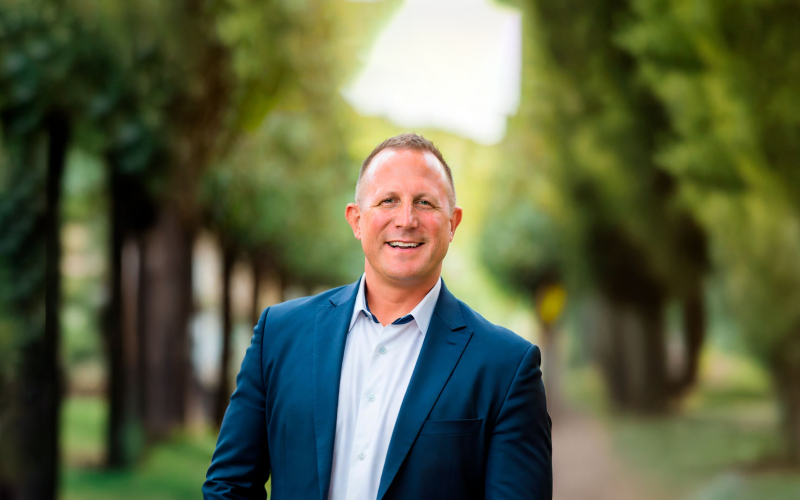

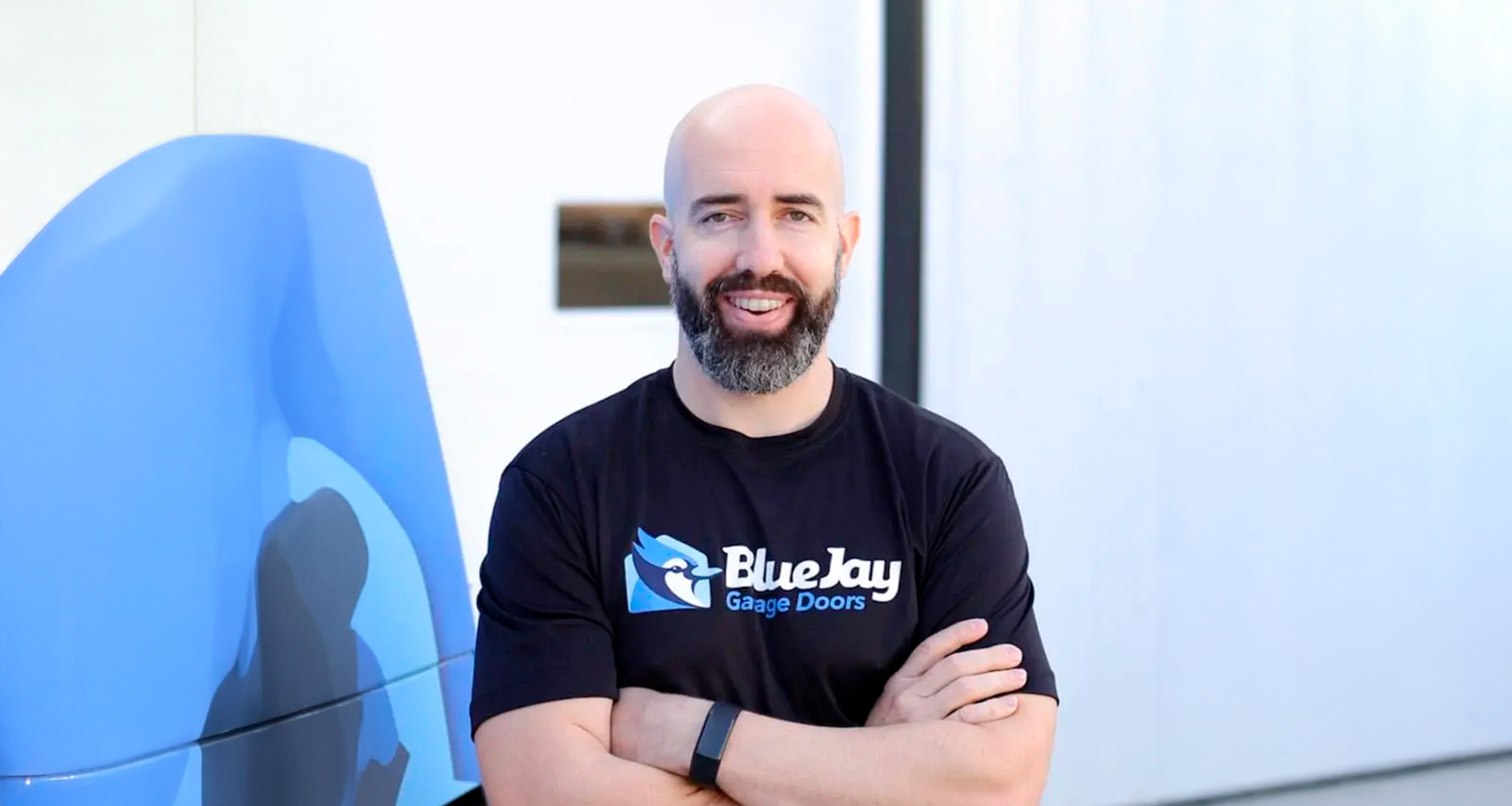
Values in business are usually filed under one of two headings. Either they are a constraint, the moral tax a company pays that slows it down, or they are a marketing story, the language a company uses to describe itself. Leon Leinbach treats them as neither.
In Leinbach’s experience, values are operational infrastructure, and infrastructure decays without maintenance. That idea runs through everything the founder of five companies has learned about building ventures meant to last. It is why he calls integrity a revenue engine rather than a cost, and why he insists that purpose has to be taught continuously, or it will be lost entirely. “If you don’t, you’ll lose it,” he says of company culture. “It’s not a set it and forget it thing.” A lasting legacy is not something a founder installs once and owns. It is something they have to keep rebuilding.
Integrity Is the Cheaper Path
The common assumption is that integrity costs a business something. Honesty becomes a constraint, accepted at the expense of a faster or more profitable route. Leinbach found the opposite early in his first venture. Customers want honesty and direct facts, he learned, even when the news is bad. Telling people how things actually are builds the kind of trust that brings them back. “Sticking to integrity is way easier than trying to make something up,” he says. A fabrication has to be maintained, tracked, and defended forever. The truth takes care of itself. Honesty is not a drag on efficiency; it is the efficiency.
Growth Cannot Be Shortcut
Every founder feels the pull between fast growth and staying true to principle. Leinbach resolves that the two are less opposed than they look. “Sometimes you have to slow down to go fast,” he says. Crawl before you walk, walk before you run. The shortcuts a company is tempted to take are usually the same places its principles are tested.
“There’s no such thing as overnight success,” Leinbach notes. What looks sudden is always the visible edge of unseen work done patiently over years. Wanting fast growth is natural and nothing to apologize for. But a company that chases it by cutting corners trades a lasting advantage for a temporary one.
Purpose Erodes Through Turnover
According to Leinbach, purpose is not something a founder establishes once and owns forever. It has to be built into training with the same seriousness as any practical skill, because the people who hold it are constantly being replaced. Every 20 years brings a new generation into adulthood, which means roughly every five years, a fresh wave enters the workforce, none of them present when the culture was set. A company loses values through ordinary turnover, as the people who carried the culture move on, and their replacements are never taught it. “You have to continue talking about it till you’re so sick of talking about it,” he says, “and you have to continue talking about it.”
Values at scale are not a foundation a founder pours once. They are a fire that has to be fed, and the moment the feeding stops, the culture starts to go out. This is what Leinbach means by legacy. Not a monument left behind, but the daily work of making the people around you slightly better, taught and retaught to everyone who arrives, so the impact outlasts the person who started it.
To learn more about building businesses that create a lasting legacy, connect with Leon Leinbach on LinkedIn.